
Kidney Stones Brochure
Kidney Stones Brochure - There are two types of calcium. When the urine has high levels of minerals and salts, hard stones can form. Form inside your kidneys when salts and other minerals in. Approximately one in ten canadians will develop a. A stone may stay in the kidney or break loose and travel down the. Over half a million people go to emergency rooms for kidney stone problems every year. Kidney stones form when certain. The way your kidney stones will be treated depends on the type of stone you have. These stones can be “silent” (no. There are four main types of stones: There are two types of calcium. Urine* contains many dissolved minerals and salts. Kidney stones are small, hard crystals or deposits that. These stones can be “silent” (no. Sometimes a stone will get stuck in the urinary tract. What is the burden of kidney stones on the us population? A stone may stay in the kidney or break loose and travel down the. Form inside your kidneys when salts and other minerals in. Kidney stones are crystalline particles that form in the urine, often producing pain when they obstruct urine drainage from a kidney. Most common, created when calcium combines with oxalate in the urine. There are two types of calcium. Calcium stones are the most common type of kidney stone. Over half a million people go to emergency rooms for kidney stone problems every year. These stones can be “silent” (no. The path to prevent new stones from forming will also depend. The patient reports significant dysuria, low grade fever,. What is the burden of kidney stones on the us population? Kidney stones are tiny, hard mineral deposits that build up in your kidneys and cause intense discomfort as they pass through your urinary tract. There are four main types of stones: What is a kidney stone? They may stay in the kidney or travel down the urinary tract. Kidney stones are tiny, hard mineral deposits that build up in your kidneys and cause intense discomfort as they pass through your urinary tract. Drink at least 2.5 liters (10 cups) of fluid per day to prevent kidney stone formation.; There are four main types of stones: Kidney. There are four main types of stones: Sometimes a stone will get stuck in the urinary tract. They can vary in size and may cause pain when passing through the urinary tract. Help you learn about kidney stones, how they're treated and how you can prevent them in the future. What are the clinical symptoms associated with renal colic? Help you learn about kidney stones, how they're treated and how you can prevent them in the future. They may stay in the kidney or travel down the urinary tract. Urine* contains many dissolved minerals and salts. Calcium stones are the most common type of kidney stone. Kidney stones are small, hard mineral deposits that form in the kidney. The diagnosis, treatment and prevention of kidney stones, with lost time from work, costs almost $5.3 billion. Testing & diagnosisread storiesalnylam patient educatordoctor discussion guide When your urine has high levels of these minerals and salts, you can form stones. They can be a painful. Alnylam educatortreatment of ph1what is ph1?ph1 treatment What is a kidney stone? These stones can be “silent” (no. Limit your intake of foods like spinach, chard, rhubarb,. Approximately one in ten canadians will develop a. Kidney stones one in ten people will have a kidney stone over the course of a lifetime. There are four main types of stones: Sometimes a stone will get stuck in the urinary tract. There are two types of calcium. A stone may stay in the kidney or break loose and travel down the. Form inside your kidneys when salts and other minerals in. The path to prevent new stones from forming will also depend. Approximately one in ten canadians will develop a. Form inside your kidneys when salts and other minerals in. What are the clinical symptoms associated with renal colic? A kidney stone is a solid piece of material that forms in a kidney out of substances in the urine. The purpose of this booklet is to empower individuals to take charge of their disease management by understanding what kidney stones are and what causes them, so you can keep your kidney. Kidney stones come in many different types. What is the burden of kidney stones on the us population? The diagnosis, treatment and prevention of kidney stones, with lost. Sometimes a stone will get stuck in the urinary tract. Kidney stones form when certain. Urine contains many dissolved minerals and salts. The path to prevent new stones from forming will also depend. The purpose of this booklet is to empower individuals to take charge of their disease management by understanding what kidney stones are and what causes them, so you can keep your kidney. How do you diagnose kidney stones? Most common, created when calcium combines with oxalate in the urine. What are the clinical symptoms associated with renal colic? When the urine has high levels of minerals and salts, hard stones can form. There are two types of calcium. There are four main types of stones: Kidney stones come in many different types and colors. Limit your intake of foods like spinach, chard, rhubarb,. Calcium stones are the most common type of kidney stone. Alnylam educatortreatment of ph1what is ph1?ph1 treatment Kidney stones one in ten people will have a kidney stone over the course of a lifetime.
Kidney Stones Explained Types, Treatments, Symptoms, Causes
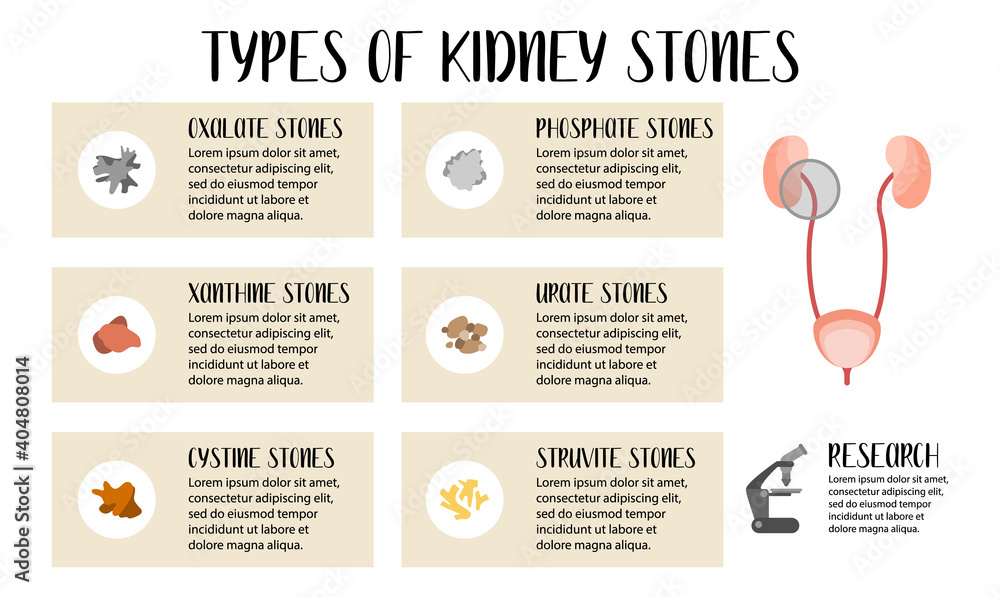
Types of kidneys stones. Oxalate, phosphate, xanthine, urate, cystine

kidney stones brochure by codyschool Issuu

Precision Urology Melbourne Kidney Stones
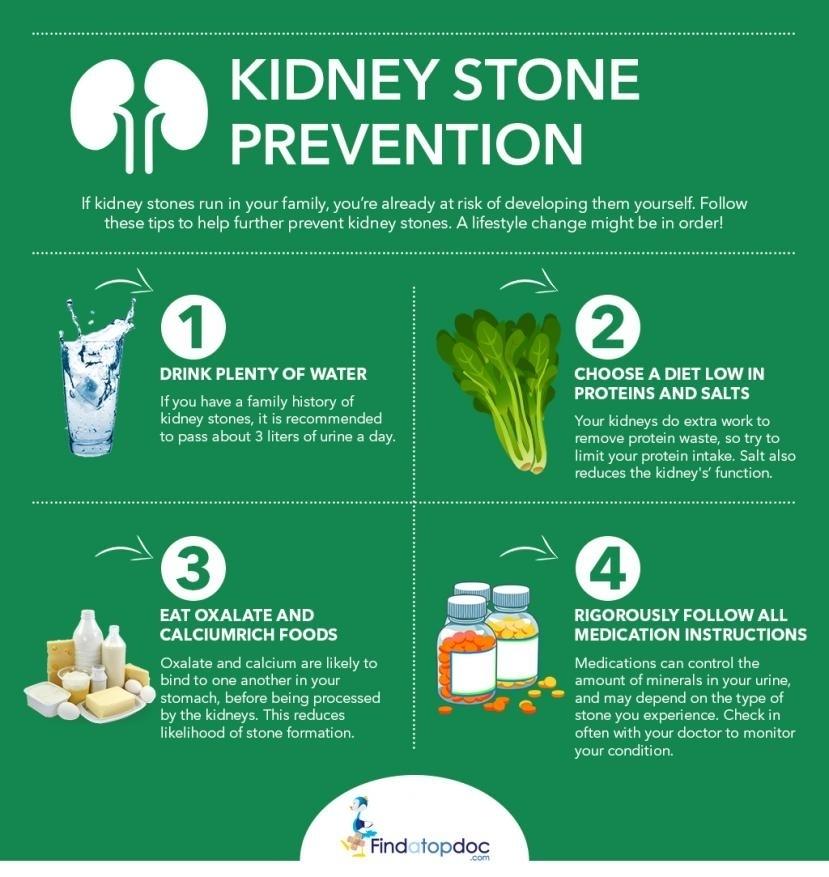
What Causes Kidney Stones? How to Prevent and Treat Kidney Stones

What do different colored kidney stones mean The Meaning Of Color

(DOWNLOAD) Understanding Kidney Stones And Chronic Kidney Disease AAKP
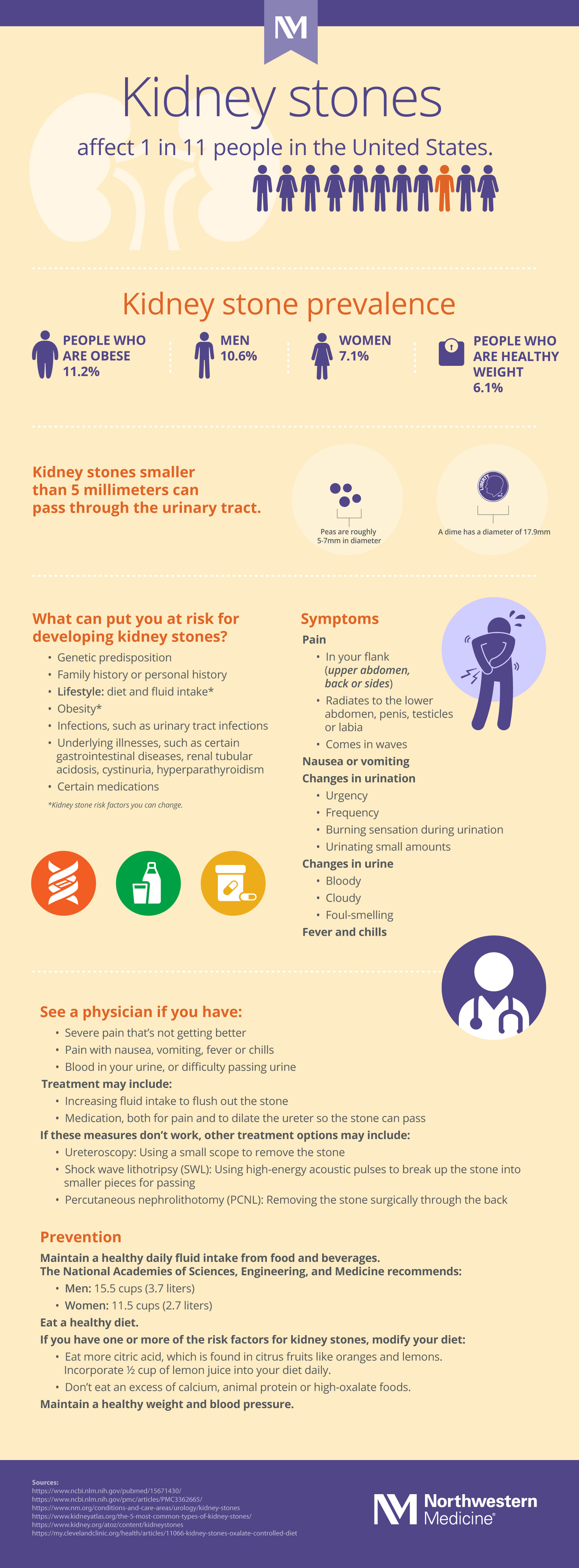
Kidney Stones 101 (Infographic) Northwestern Medicine
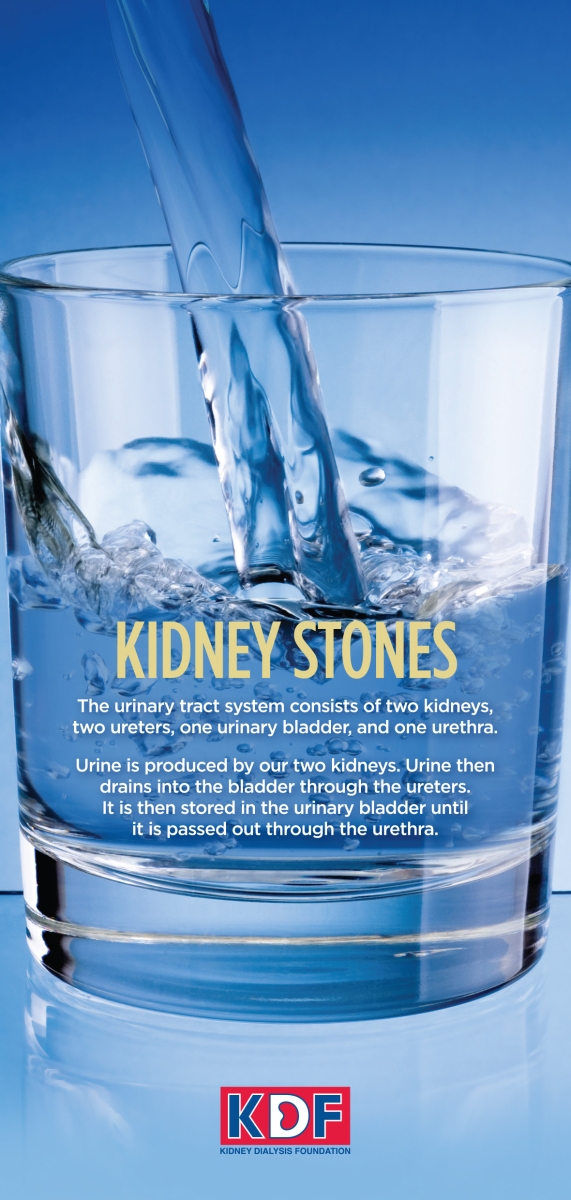
Health Brochures

Infographic everything you need to know about kidney stones st pete
They Can Vary In Size And May Cause Pain When Passing Through The Urinary Tract.
The Diagnosis, Treatment And Prevention Of Kidney Stones, With Lost Time From Work, Costs Almost $5.3 Billion.
Approximately One In Ten Canadians Will Develop A.
They May Stay In The Kidney Or Travel Down The Urinary Tract.
Related Post: