
Federal Drug And Alcohol Testing Regulations Brochure
Federal Drug And Alcohol Testing Regulations Brochure - The office publishes regulations and provides official interpretations on drug and alcohol testing, including how to conduct tests, and the evaluation and treatment procedures. This means any driver required to possess a cdl, including those employed by federal, state, and local government agencies, owner. Pursuant to the federal motor carrier safety administration (fmcsa) regulations, certain commercial truck drivers are required to be tested for alcohol and drugs. Drug testing laboratories certified by the department of health and human services receive urine and/or oral fluid specimens and test them to determine the presence of drugs. The department of transportation's (dot) rule, 49 cfr part 40, describes required procedures for conducting workplace drug and alcohol testing for the federally regulated transportation. Department of transportation (dot) drug and alcohol testing regulations for commercial driver licensed. This brochure summarizes the regulations as they apply to commercial driver’s license (cdl) drivers, and is intended to better inform drivers about their rights and obligations. How can i become a collector for dot drug testing? This brochure summarizes the regulations as they apply to cdl drivers, and is intended to better educate drivers about their rights and obligations as participants in a dot drug and alcohol. This brochure summarizes the regulations as they apply to commercial driver’s license (cdl) drivers, and is intended to better inform drivers about their rights and obligations as. How can i become a collector for dot drug testing? Department of transportation (dot) drug and alcohol testing regulations for commercial driver licensed. Guidelines to establish, implement, and maintain a dot/faa drug and alcohol testing program. The substance abuse professional (sap) is a person who evaluates employees who have violated a dot drug and alcohol program regulation and makes recommendations. Roadways must be dot drug and alcohol tested. This means any driver required to possess a cdl, including those employed by federal, state, and local government agencies, owner. Odapc's employee handbook for dot. Drug and alcohol testing regulations for commercial driver licensed (cdl) employees are contained in 49 cfr part 382, and 49 cfr part 40. This brochure summarizes the regulations as they apply to cdl drivers, and is intended to better educate drivers about their rights and obligations as participants in a dot drug and alcohol. Fmcsa has posted updated materials to help cdl drivers and their employers register for and get started using the drug and alcohol clearinghouse. These regulations can be found at:. Do you know what happens if you refuse? This brochure summarizes the regulations as they apply to commercial driver’s license (cdl) drivers, and is intended to better inform drivers about their rights and obligations. Drug and alcohol testing brochure for drivers; This brochure summarizes the regulations as they apply to cdl drivers, and is. Pursuant to the federal motor carrier safety administration (fmcsa) regulations, certain commercial truck drivers are required to be tested for alcohol and drugs. This brochure summarizes the regulations as they apply to commercial driver’s license (cdl) drivers, and is intended to better inform drivers about their rights and obligations. The department of transportation's (dot) rule, 49 cfr part 40, describes. However, companies doing so must test at or above the highest. Federal drug & alcohol testing regulations. Drug testing laboratories certified by the department of health and human services receive urine and/or oral fluid specimens and test them to determine the presence of drugs. This brochure summarizes the regulations as they apply to cdl drivers, and is intended to better. Guidelines to establish, implement, and maintain a dot/faa drug and alcohol testing program. This brochure summarizes the regulations as they apply to commercial driver’s license (cdl) drivers, and is intended to better inform drivers about their rights and obligations. Federal drug & alcohol testing regulations. How can i become a collector for dot drug testing? The department of transportation's (dot). Federal drug & alcohol testing regulations. The department of transportation's (dot) rule, 49 cfr part 40, describes required procedures for conducting workplace drug and alcohol testing for the federally regulated transportation. Fmcsa has posted updated materials to help cdl drivers and their employers register for and get started using the drug and alcohol clearinghouse. Best practices for dot random drug. The department of transportation's (dot) rule, 49 cfr part 40, describes required procedures for conducting workplace drug and alcohol testing for the federally regulated transportation. Drug testing laboratories certified by the department of health and human services receive urine and/or oral fluid specimens and test them to determine the presence of drugs. Pursuant to the federal motor carrier safety administration. Do you know what happens if you refuse? The federal motor carrier safety administration (fmcsa), along with the department of transportation (dot), requires that persons subject to the commercial driver’s license (cdl). However, companies doing so must test at or above the highest. This means any driver required to possess a cdl, including those employed by federal, state, and local. This brochure summarizes the regulations as they apply to cdl drivers, and is intended to better educate drivers about their rights and obligations as participants in a dot drug and alcohol. The office publishes regulations and provides official interpretations on drug and alcohol testing, including how to conduct tests, and the evaluation and treatment procedures. Do you know what happens. Best practices for dot random drug and alcohol testing; Department of transportation (dot), federal motor carrier safety administration (fmcsa), adopted regulations requiring certain commercial motor vehicle. This brochure summarizes the regulations as they apply to commercial driver’s license (cdl) drivers, and is intended to better inform drivers about their rights and obligations. Pursuant to the federal motor carrier safety administration. The department of transportation's (dot) rule, 49 cfr part 40, describes required procedures for conducting workplace drug and alcohol testing for the federally regulated transportation. However, companies doing so must test at or above the highest. Department of transportation (dot) drug and alcohol testing regulations for commercial driver licensed. Federal drug & alcohol testing regulations. Fmcsa has posted updated materials. How can i become a collector for dot drug testing? This means any driver required to possess a cdl, including those employed by federal, state, and local government agencies, owner. This brochure summarizes the regulations as they apply to commercial driver’s license (cdl) drivers, and is intended to better inform drivers about their rights and obligations as. This brochure summarizes the regulations as they apply to cdl drivers, and is intended to better educate drivers about their rights and obligations as participants in a dot drug and alcohol. Best practices for dot random drug and alcohol testing; Guidelines to establish, implement, and maintain a dot/faa drug and alcohol testing program. This advisory circular (ac) provides. However, companies doing so must test at or above the highest. The federal motor carrier safety administration (fmcsa), along with the department of transportation (dot), requires that persons subject to the commercial driver’s license (cdl). The office publishes regulations and provides official interpretations on drug and alcohol testing, including how to conduct tests, and the evaluation and treatment procedures. Drug and alcohol testing regulations for commercial driver licensed (cdl) employees are contained in 49 cfr part 382, and 49 cfr part 40. Pursuant to the federal motor carrier safety administration (fmcsa) regulations, certain commercial truck drivers are required to be tested for alcohol and drugs. Drug testing laboratories certified by the department of health and human services receive urine and/or oral fluid specimens and test them to determine the presence of drugs. Do you know what happens if you refuse? Department of transportation (dot), federal motor carrier safety administration (fmcsa), adopted regulations requiring certain commercial motor vehicle. Odapc's employee handbook for dot.
(PDF) Alcohol and Drug Policies, Treatment and Regulations 2020

Alcohol and Drug Testing Requirements
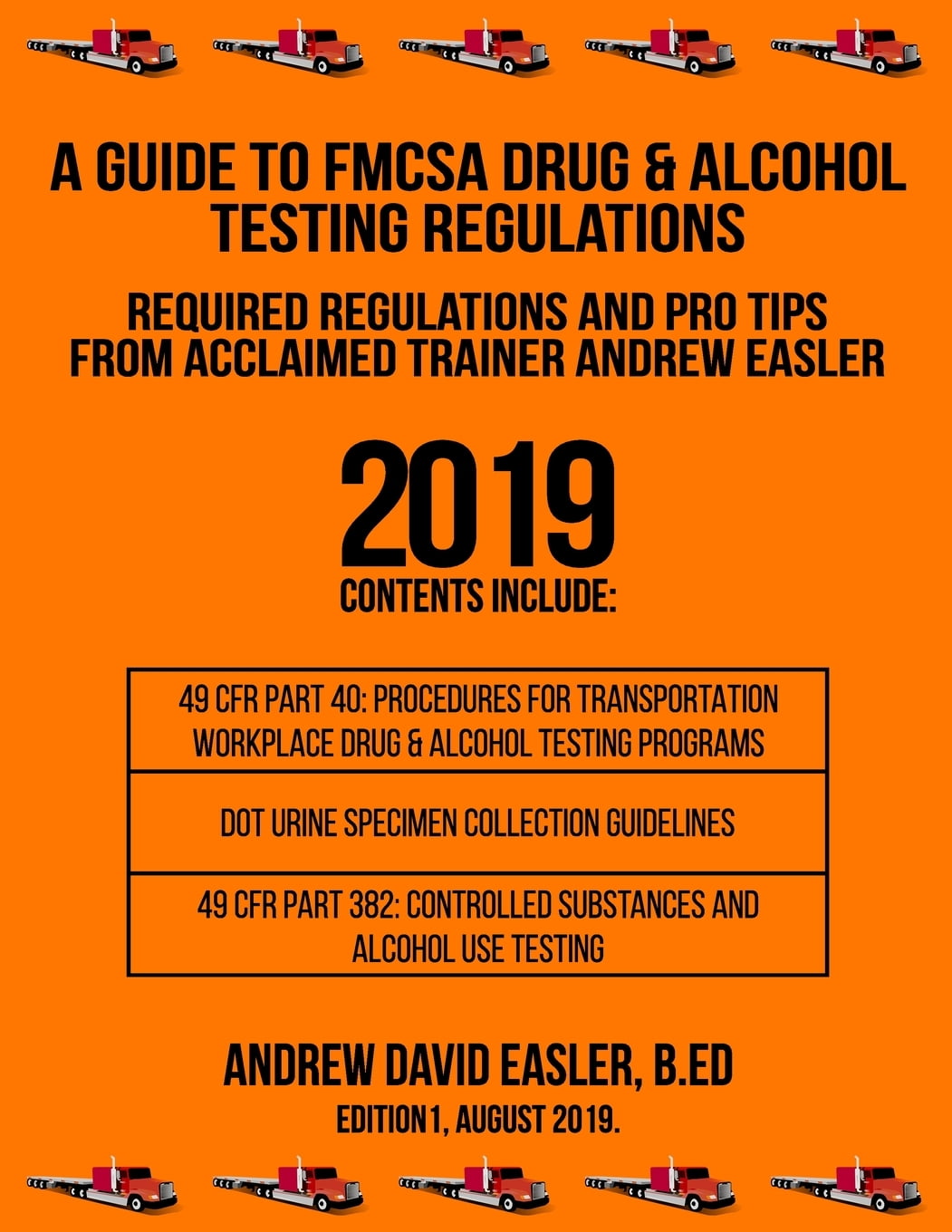
A Guide to Fmcsa Drug & Alcohol Testing Regulations Required
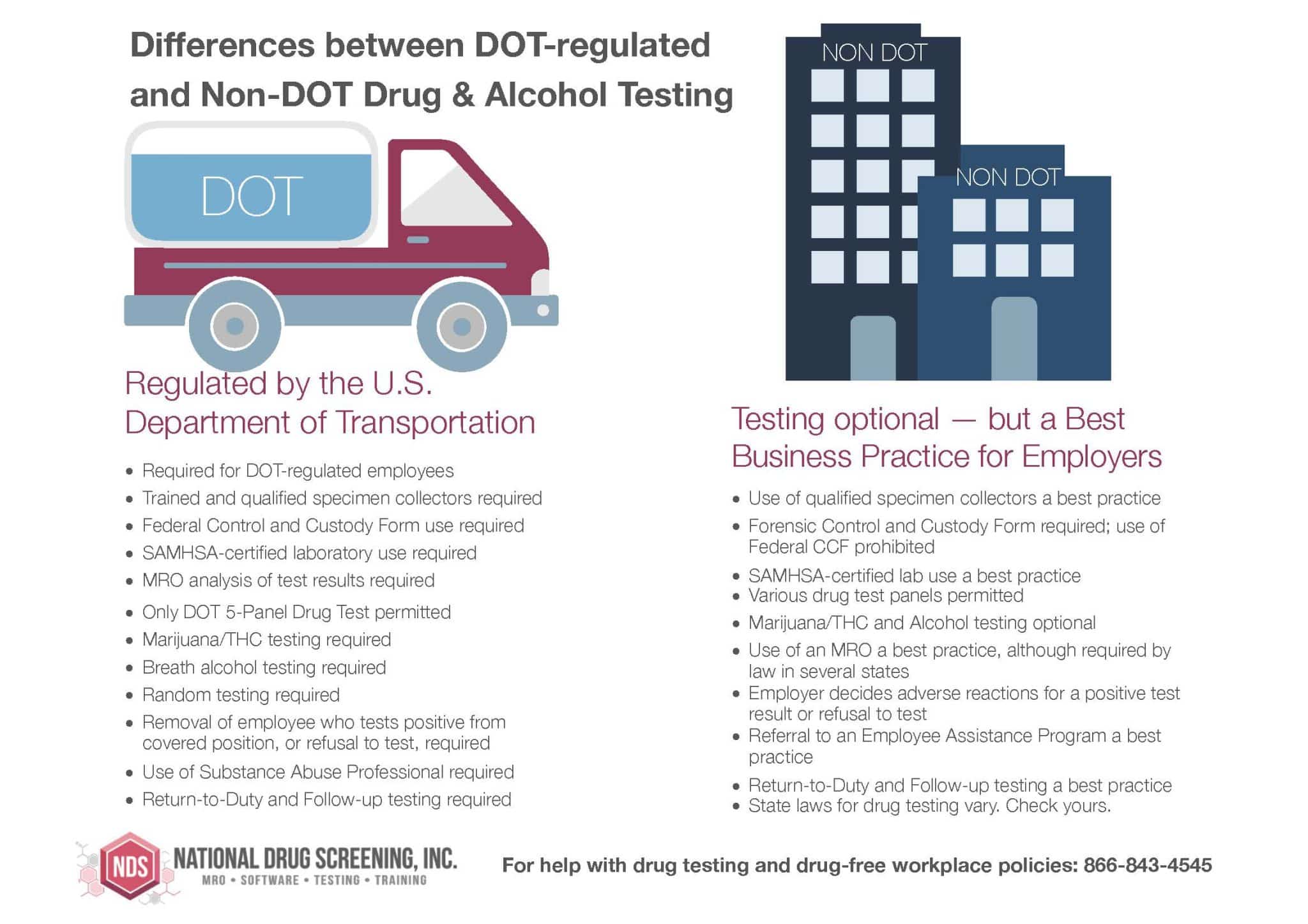
The Differences Between DOT and NonDOT Drug Testing

FAA Employee Drug & Alcohol Training Western Aeromedical

A GUIDE TO FEDERAL REGULATIONS ON DRUG & ALCOHOL TESTING REQUIRED

A Practical Guide to DOT Drug and Alcohol Testing Policy Requirements
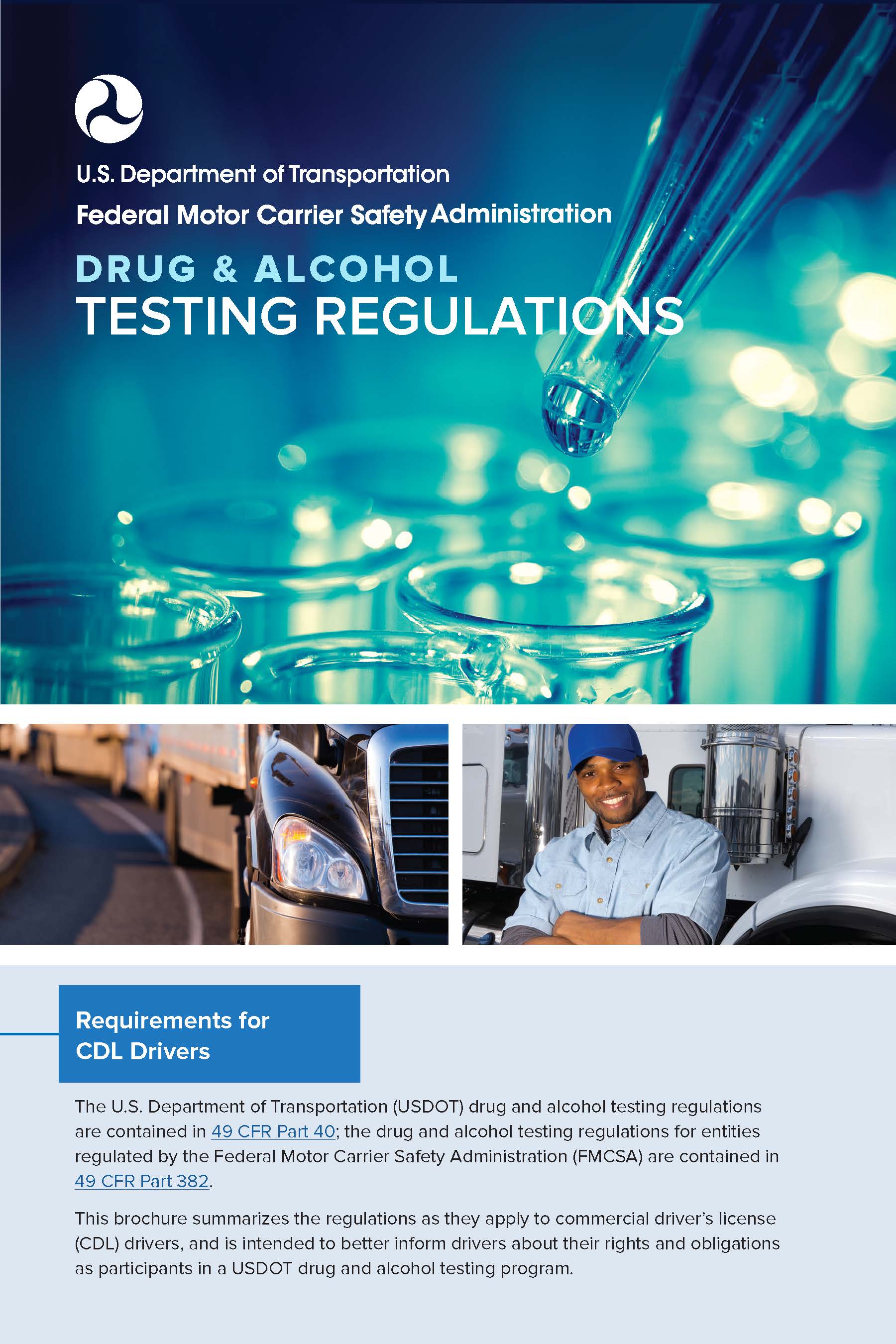
Drug and Alcohol Testing Brochure for Drivers FMCSA
USDOT's Revised Drug and Alcohol Testing Rule DOT Compliance Group
Drug and Alcohol Testing Program by JST Truck Permits
Drug And Alcohol Testing Brochure For Drivers;
Department Of Transportation (Dot), Federal Motor Carrier Safety Administration (Fmcsa), Adopted Regulations Requiring Certain Commercial Motor Vehicle Operators To Be.
The Department Of Transportation's (Dot) Rule, 49 Cfr Part 40, Describes Required Procedures For Conducting Workplace Drug And Alcohol Testing For The Federally Regulated Transportation.
The Substance Abuse Professional (Sap) Is A Person Who Evaluates Employees Who Have Violated A Dot Drug And Alcohol Program Regulation And Makes Recommendations.
Related Post: