
Epa Radon Brochure
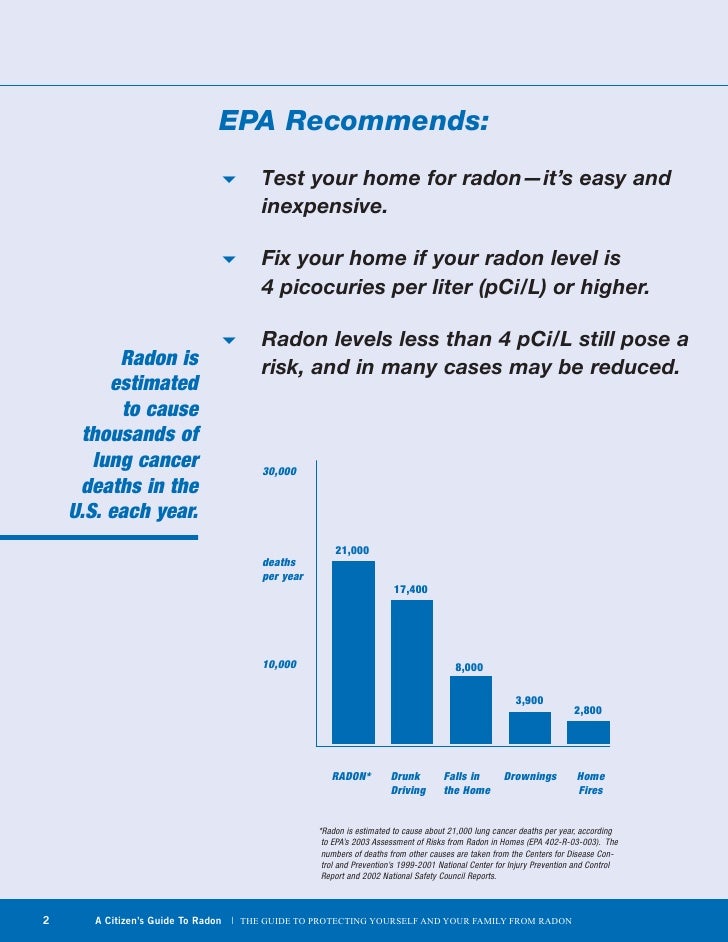
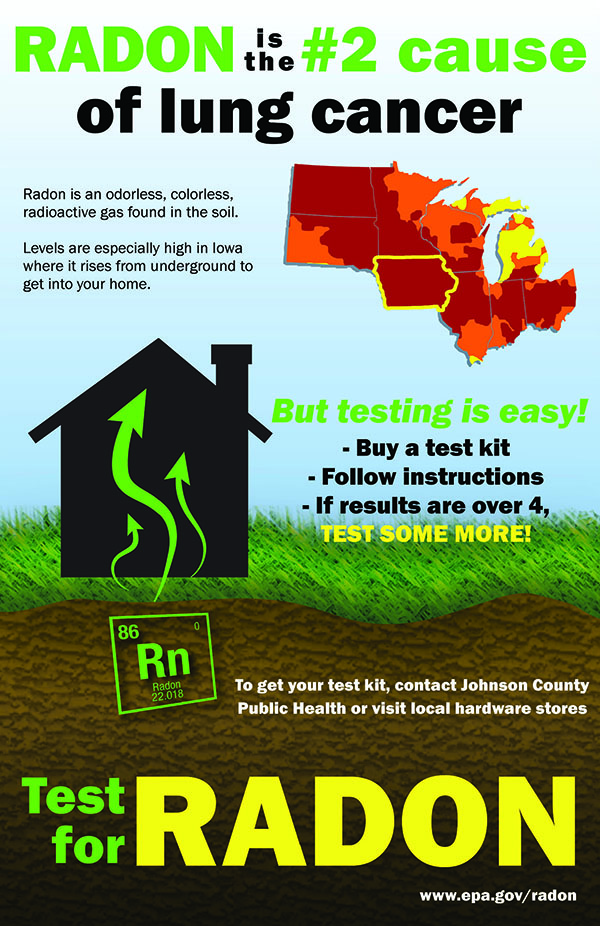
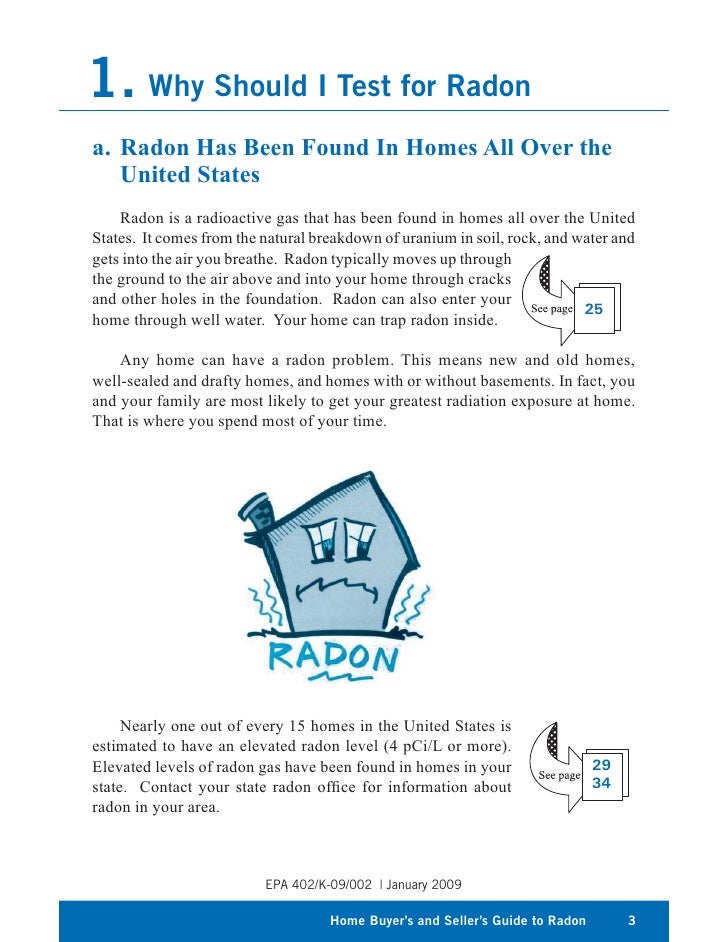
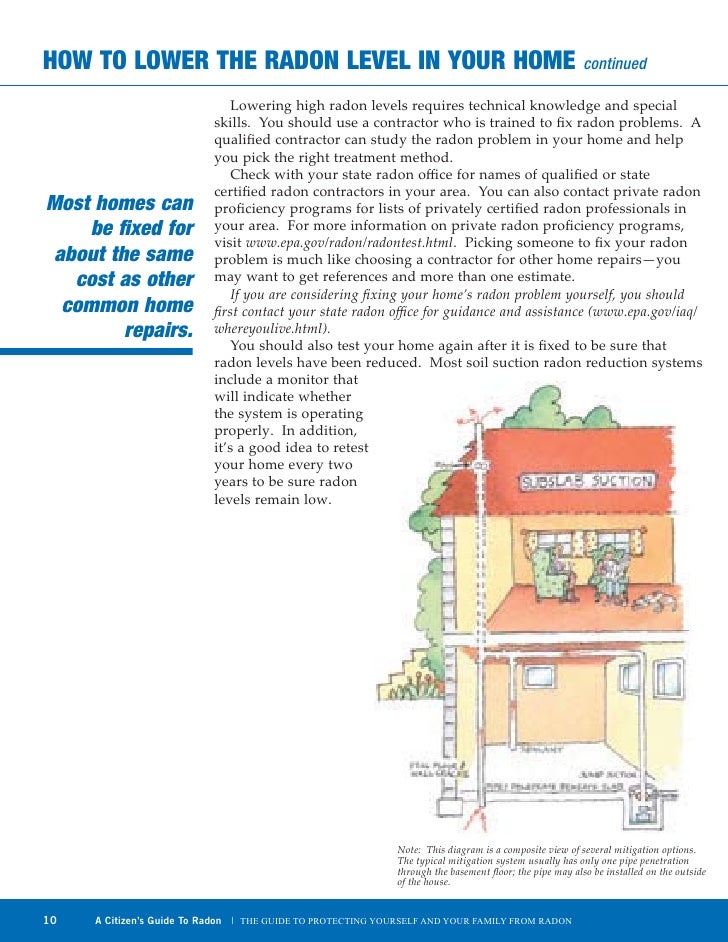
Epa Radon Brochure - Epa and the surgeon general recommend testing all homes below the third floor for radon. Test your home for radon—it's easy and inexpensive. Radon levels less than 4 pci/l still pose a. Educate your clients and colleagues. This pamphlet is a joint effort by epa and cdc. Radon comes from the natural (radioactive). Radon is a naturally occurring radioactive gas that can enter homes from the ground and build up to dangerous levels. Where does radon come from? Test your home for radon—it's easy and inexpensive. Radon is a radioactive gas which occurs in nature. Radon is a naturally occurring radioactive gas without color, odor, or taste that undergoes radioactive decay and emits ionizing radiation. Radon comes from the natural (radioactive). Download the radon in idaho brochure to learn more about radon and how to test your home. Test your home for radon—it's easy and inexpensive. Where does radon come from? Radon is a cancer causing radioactive gas. The national average for radon exposure levels in the united states for homes tested is about 1.3 pci/l of air. The outdoor air has a concentration that ranges from about 0.3 to 0.7 pci/l of air in. Its purpose is to help readers to understand the radon problem and decide if they. Educate your clients and colleagues. Test your home for radon—it's easy and inexpensive. Radon comes from the natural (radioactive). Epa and the surgeon general recommend testing all homes below the third floor for radon. Radon is a naturally occurring radioactive gas that can enter homes from the ground and build up to dangerous levels. Testing is the only way to know if you and your. Radon levels less than 4 pci/l still pose a risk, and in many cases may be reduced. 'radon is estimateil to cause about 21,000 lung. Test your home for radon—it's easy and inexpensive. Contact your state radon program, details available at www.epa.gov/iaq/whereyoulive.html, for more information about obtaining test kits from your state or from a radon testing company or. When. Environmental protection agency (epa) has several. Radon is a naturally occurring radioactive gas that can enter homes from the ground and build up to dangerous levels. Radon is a naturally occurring radioactive gas without color, odor, or taste that undergoes radioactive decay and emits ionizing radiation. Radon levels less than 4 pci/l still pose a risk, and in many cases. This pamphlet is a joint effort by epa and cdc. Radon comes from the natural (radioactive). The surgeon general and epa recommend testing for. When installed properly and completely, these simple and inexpensive techniques can help reduce. Radon is a radioactive gas which occurs in nature. Test your home for radon—it’s easy and inexpensive. You cannot see it, smell it, or taste it. Radon levels less than 4 pci/l still pose a risk, and in many cases may be reduced. Radon comes from the natural breakdown (radioactive decay) of. The national average for radon exposure levels in the united states for homes tested is about 1.3. Contact your state radon program, details available at www.epa.gov/iaq/whereyoulive.html, for more information about obtaining test kits from your state or from a radon testing company or. Test your home for radon—it's easy and inexpensive. This pamphlet is a joint effort by epa and cdc. It's invisible, odorless and tasteless. Educate your clients and colleagues. Fix your home if your radon level is 4 picocuries per liter (pci/l) or higher. You cannot see it, smell it, or taste it. This pamphlet is a joint effort by epa and cdc. The outdoor air has a concentration that ranges from about 0.3 to 0.7 pci/l of air in. Epa and the surgeon general recommend testing all homes. The national average for radon exposure levels in the united states for homes tested is about 1.3 pci/l of air. It's invisible, odorless and tasteless. Contact your state radon program, details available at www.epa.gov/iaq/whereyoulive.html, for more information about obtaining test kits from your state or from a radon testing company or. Fix your home if your radon level is 4. This pamphlet is a joint effort by epa and cdc. Radon levels less than 4 pci/l still pose a risk, and in many cases may be reduced. Fix your home if your radon level is 4 picocuries per liter (pci/l) or higher. When installed properly and completely, these simple and inexpensive techniques can help reduce. Its purpose is to help. Contact your state radon program, details available at www.epa.gov/iaq/whereyoulive.html, for more information about obtaining test kits from your state or from a radon testing company or. It's invisible, odorless and tasteless. Radon levels less than 4 pci/l still pose a. This pamphlet is a joint effort by epa and cdc. Download the radon in idaho brochure to learn more about. The list is divided into publications designed for radon professionals and ones intended for. Has compiled the following list of us epa radon publications available on the web. It's invisible, odorless and tasteless. Test your home for radon—it’s easy and inexpensive. The outdoor air has a concentration that ranges from about 0.3 to 0.7 pci/l of air in. Educate your clients and colleagues. Radon is a radioactive gas which occurs in nature. Where does radon come from? This pamphlet is a joint effort by epa and cdc. The national average for radon exposure levels in the united states for homes tested is about 1.3 pci/l of air. Contact your state radon program, details available at www.epa.gov/iaq/whereyoulive.html, for more information about obtaining test kits from your state or from a radon testing company or. Radon comes from the natural (radioactive). Test your home for radon—it's easy and inexpensive. Testing is the only way to know if you and your family are at risk from radon. Radon levels less than 4 pci/l still pose a risk, and in many cases may be reduced. Radon is a cancer causing radioactive gas.
Uses Of Radon
EPA Guide to Radon
Radon Flyer
EPA Guide to Radon

Radon Brochure
EPA Guide to Radon
Radon Media Resources for Partners and Stakeholders US EPA
EPA Guide to Radon
New Resource Available from EPA Radon Publications OnePager

Radon at Tahoe The Solution
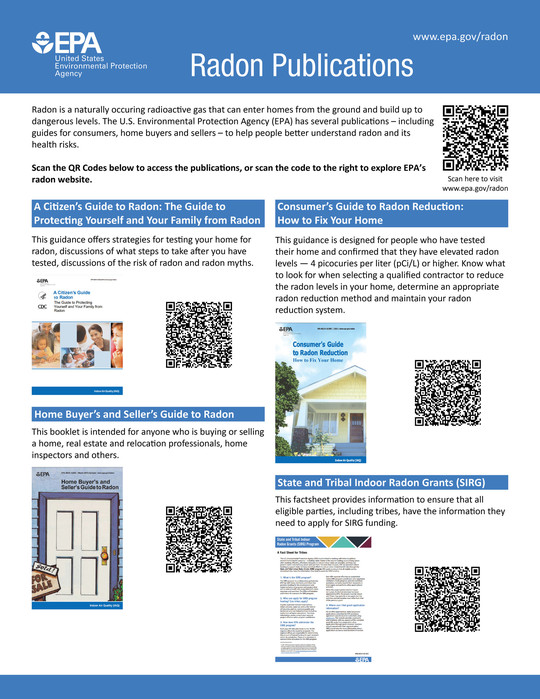
Environmental Protection Agency (Epa) Has Several.
Epa And The Surgeon General Recommend Testing All Homes Below The Third Floor For Radon.
Radon Levels Less Than 4 Pci/L Still Pose A Risk, And In Many Cases May Be Reduced.
Fix Your Home If Your Radon Level Is 4 Picocuries Per Liter (Pci/L) Or Higher.
Related Post: